Aircraft Land On Water - Home Chevron Icon Indicates an expanded section or menu, or sometimes previous/next navigation options. Technology
Twitter logo Stylized bird with open mouth, chirping. Twitter LinkedIn icon The word "my". LinkedIn Flipboard icon Stylized letter F. Flipboard Facebook icon The letter F. Facebook Email icon Envelope. It shows the ability to send email. Email link icon Chain link icon. Represents the link URL of the website. Copy Link
Aircraft Land On Water
/img/iea/3gG91nPaGV/ag600.jpg "Aircraft Land On Water")
Join our newsletter for the latest tech news and trends - delivered daily to your inbox.
Is It A Boat? Is It A Plane? A Look At The Icon A5
Narrator: On January 15, 2009, US Airways Flight 1549 flew into a flock of Canada geese shortly after takeoff from LaGuardia Airport in New York. The plane lost all engine power while flying over Manhattan. Their choices? Try living by the Hudson River or dropping into one of the densest cities in the United States.
Narrator: Thanks to clear conditions, professional flying, and the quick response of emergency personnel, all 150 passengers survived. You may have heard this story before, but it's not the only time something like this has happened. And despite that success, landing a plane on water is very dangerous.
Digging is a controlled water emergency. It can be caused by almost anything, but is usually due to engine failure or running out of fuel. Pilots decide to abandon the aircraft when there is no better alternative. Despite the problem, pilots do not receive extensive training in gliding.
Chesley Sullenberger, the pilot of US Airways Flight 1549, told The Telegraph in 2018: "The only training we got for landing on the water was to read a few paragraphs in the manual and have a short class discussion."
Everything That You Need To Know About The Canadair Cl 415
Carolina Anderson: You don't actually train, even on the plane or in the simulator, but most airlines will cover it with training. But it is not something that is mandated on every plane.
Narrator: I'm Carolina Anderson. He is an associate professor of aeronautical science at Embry-Riddle Aeronautical University. Anderson pointed out that it is rare to have to leave a plane.
Anderson: It's not very common. You see them on small planes more often, on larger planes less often.
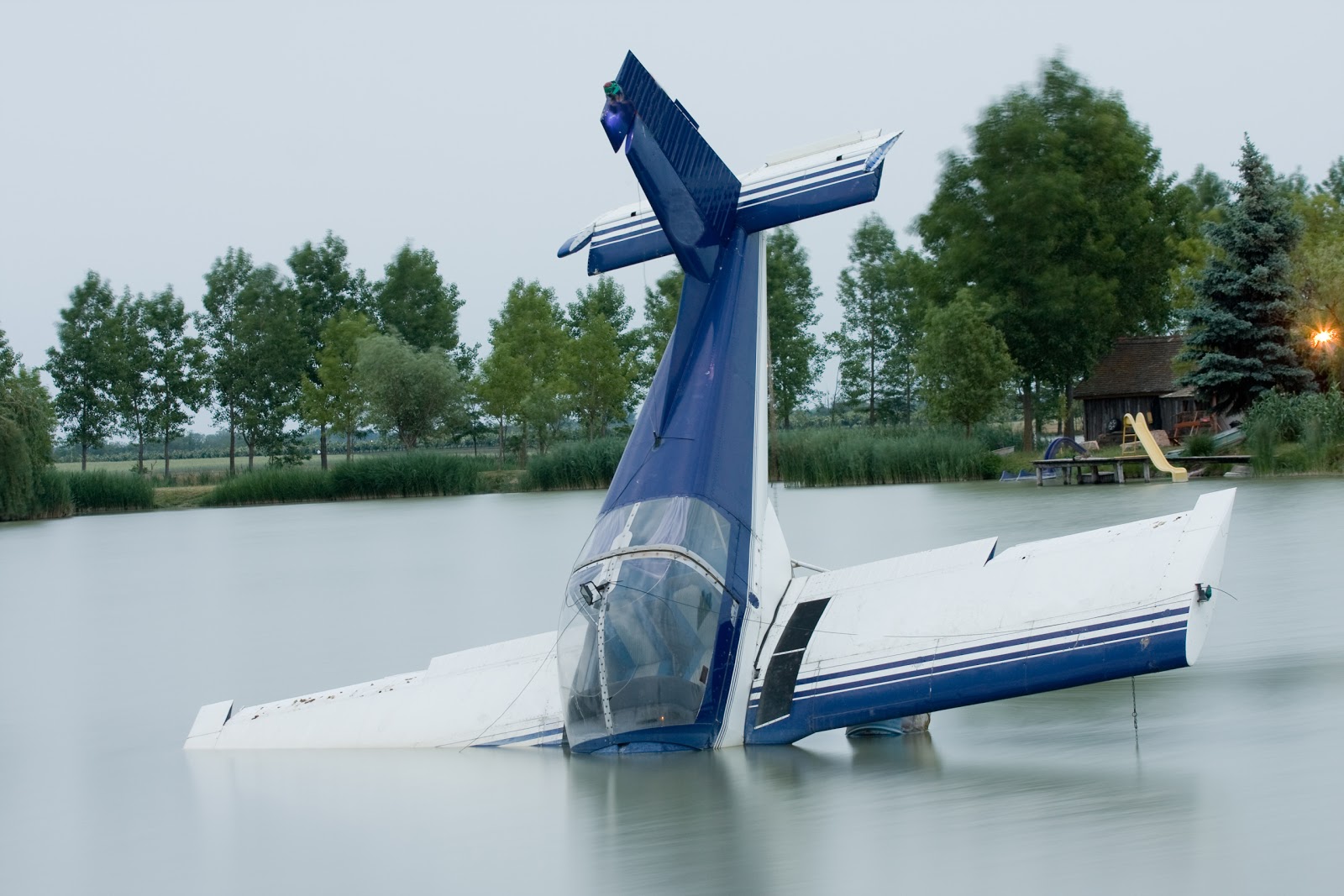
Narrator: Aircraft are often tested using simulations, rather than real water. The plane would have to float long enough for the passengers to take off. But pilots don't just have to worry about the plane. Unlike landing on a runway, there are many types of unmanned aerial vehicles.
Modern Sea Monsters
The most obvious is the waves. The bigger the waves, the more dangerous it is to run aground. Pilots try to stay next to the waves, rather than across them, so the waves don't push the plane around, which can damage the plane, injure passengers and make it difficult to get away.
As in 1956, when Pan Am Flight 6 had to divert in the Pacific between Honolulu and San Francisco. Upon landing, the wing struck the aircraft, turning the aircraft 180 degrees, damaging the nose, and breaking the tail. Fortunately, everyone survived.
When flying, pilots must keep the wings in good position and maintain an entry angle that is not too steep to prevent a strong impact. Inside the plane, passengers will be told to prepare for impact. And anything loose in the house will have to be tied up. Another big reason is the weather. Clear conditions give the pilot better control of the aircraft and more visibility. Pilots balance all those variables to keep the plane from breaking apart. If the plane breaks up on impact, there is a high risk of flooding.
Anderson: You can't float for very long, and if you land too hard, the chances of damaging it are very high because water will come in and it will start to sink.
Aircraft Landing Gear Types
Anderson: Basically, you want to go down as slowly and gently as possible. If the plane has a landing gear, you want the gear up and you want the wings fully down.
Narrator: If the landing is successful, the next step is to get everyone off the plane. Which has to happen quickly, because the Federal Aviation Administration requires that planes can be evacuated within 90 seconds.
Fortunately, today's airplanes have many safety features to help passengers when the plane is under control. Commercial aircraft use batteries and flotation devices as life preservers. They also come with emergency flares and radios. Airplanes are designed so that when the water lands on the ground it does not cause immediate harm to the passengers. Most drowning-related illnesses are caused by the drowning, not the result.
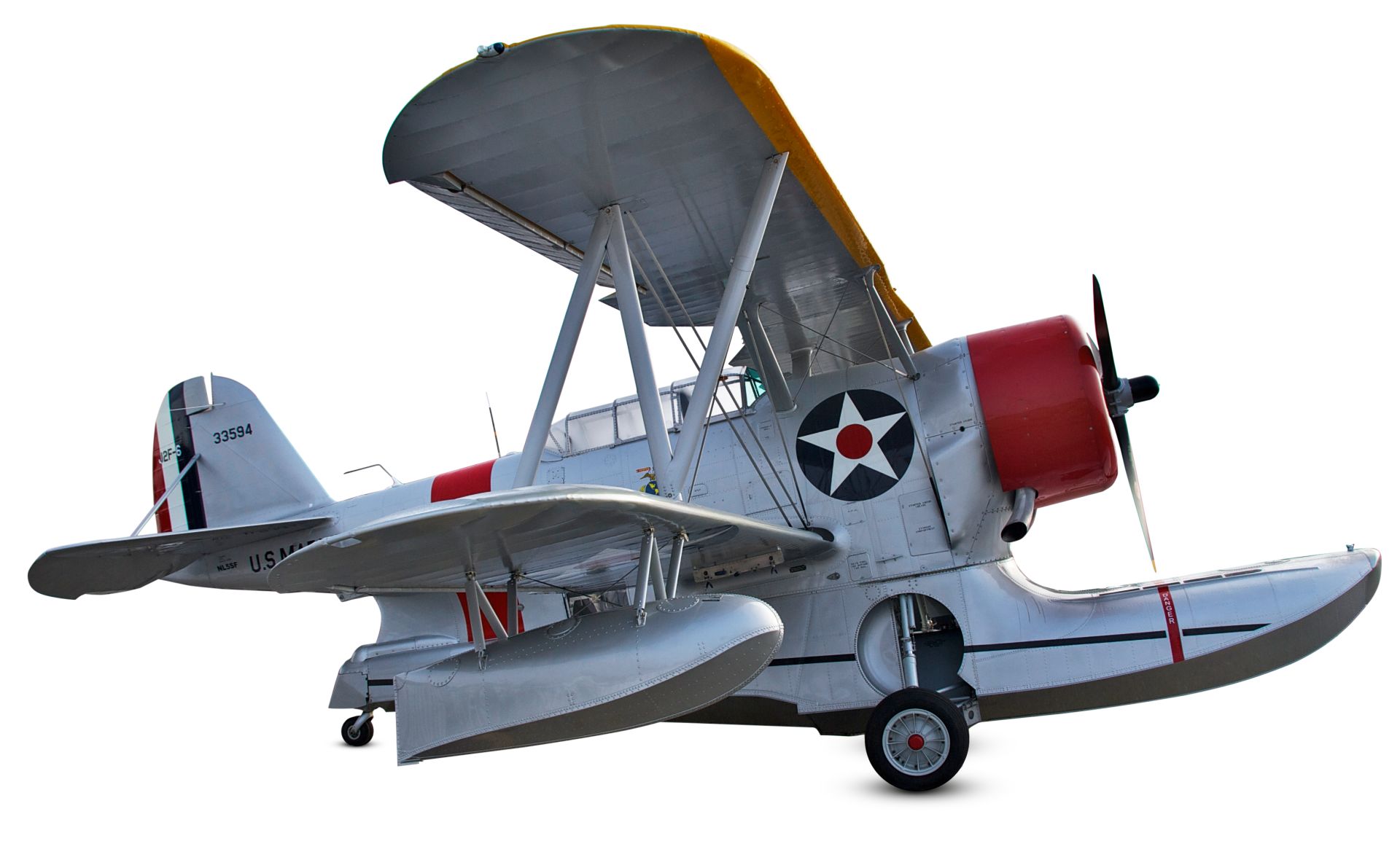
But don't let this discourage you from flying. Rough landings are rare, especially on a commercial flight. Whenever you fly, you must listen carefully to the safety instructions. And always stay calm. At least in terms of the physical act of landing, seaplanes and floatplanes land on the water the same way airplanes land.
Questions Remain On How Co Pilot Exited Mid Flight Near Raleigh
They start with the ideal approach at wind speed, burn a little before going down, feel it when the plane touches the water, then it's a little different. Due to the drag of the water the plane will quickly slow down and land in the water. Brakes are not really necessary. And that's good because they don't have brakes that work in the water.
Once in the water they can be steered like a boat. That is, not really. In fact, in the water they are handled just like a ship.
Most seaplanes and floatplanes have "water systems" that allow them to navigate water like a boat. But when they approach a pier or beach, you'll often see the engine stopped and the pilot out of the plane or leaning against the plane rowing the boat to shore (sounds like a Peter, Paul, and Mary lyric).
Airplanes are usually conventional planes with floats, usually two, one under each wing. On the other hand, seaplanes are designed specifically for water operations.
Can Planes Land On Water?
Many or most aircraft and seaplanes are amphibious. That means they can sit on the ground and leave water and soil. They typically have retractable/extendable wheels (landing devices).
While it is important that the aircraft's cargo is extended during landing, it is just as important, if not more so, that the aircraft's cargo is retracted during landing.
This is a seaplane where the fuselage is designed to float like a boat. It also has flaps, but that's part of the design.

This is the Piper Apache on the fins. It is also the aircraft from which I received my Commercial Multi-Engine Seaplane status This article needs some citations to verify. Please help improve this article by adding citations from reliable sources. Unsourced material may be challenged and removed. Find sources: "Quarter water" – news · journals · books · scholar · JSTOR (June 2020 ) (Learn how and how to remove this template)
Boeing 737 Cargo Plane Makes Emergency Landing In Ocean Off Hawaii
In aviation, a water landing, with a diameter of sse, is an aircraft landing on water. Seaplanes, like floatplanes and flying boats, land on water as a normal practice. A ditching is a controlled emergency over water by a non-designated aircraft, a very rare occurrence.
Controlled surface flying and uncontrolled diving (including aerial flight) are generally not considered to be diving or diving.
This section does not refer to any sources. Please help improve this section by adding quotes from reliable sources. Unsourced material may be challenged and removed. (June 2020) (Learn how and how to remove this template)
Seaplanes, seaplanes and amphibious aircraft are designed to fly and land on water. The landing gear can be supported by a fuselage shaped like a sheet and/or pontoons. The existence of long runways was historically important in lifting restrictions on the size of aircraft, and their freedom from built barriers is still useful for transport to lakes and other remote places. The ability to navigate in water is also important for water rescue and firefighting operations. Another problem with diving is that it is dangerous in front of the waves. In addition, the equipment required hinders the efficiency of the aircraft and the speed of the ship.
Plane Makes Emergency Landing In N.c. After Passenger Exits Mid Air
The first spacecraft launched by the United States was designed to land on the surface of the water by splash. The ship would crash into the water with a parachute that acted as a cushion to stop the ship; the influences were violent but survivable. Landing on water instead of land made brake rockets unnecessary, but their disadvantages included locating them and the risk of drowning. NASA's Space Shuttle design was meant to land on a runway. As of 2020, SpaceX's Dragon used water landings. The Boeing CST-100 is designed to do just that.
While pitching is not very common among business travelers, small planes often do because they usually have only one engine and their systems have few limitations. According to the National Transportation Safety Board, there are approximately doz
Torx t45, t45 bulb, campark t45, t45 flour, t45 shifter, martin t45, t45 transmission, t45, dolphin t45, tassimo t45, panduit t45, t45 lamp